New 2027 Ford Transit Connect Review, Specs & Changes – The 2027 Ford Transit Connect would represent a compact and efficient commercial van designed primarily for urban businesses in the United States. Traditionally positioned below the larger Ford Transit, the Transit Connect gained popularity among delivery companies, mobile technicians, and small businesses because of its maneuverable size, good fuel economy, and practical cargo space.
However, Ford officially ended sales of the Transit Connect in the U.S. after the 2023 model year, largely due to declining demand for small cargo vans in the North American market.
Despite its discontinuation, many industry observers believe a future compact commercial van could return to the U.S. lineup, especially as urban delivery services and last-mile logistics continue to grow. A hypothetical 2027 Ford Transit Connect could build upon the previous model’s strengths while introducing updated technology, improved efficiency, and modern driver-assistance systems.
What’s New for 2027 Ford Transit Connect
If Ford were to reintroduce the Transit Connect for the 2027 model year, it would likely feature several modern upgrades to remain competitive in the compact commercial van segment.

Possible updates could include:
-
Updated exterior styling inspired by the latest Ford Transit lineup
-
New digital cockpit with a larger infotainment display
-
Expanded Ford Pro fleet management connectivity
-
Improved driver-assistance systems
-
More efficient powertrain options, potentially including hybrid technology
These upgrades would reflect Ford’s broader focus on improving productivity, connectivity, and efficiency across its commercial vehicle lineup.
What Make This Trims Special?
The Transit Connect has always been unique because it fills a specific niche in the commercial vehicle market. Unlike the full-size Transit, the Connect focuses on compact practicality and city-friendly driving.
Advantages
-
Compact dimensions ideal for urban driving
-
Lower operating costs compared to full-size vans
-
Good fuel economy
-
Flexible cargo and passenger configurations
The van historically came in cargo and passenger wagon versions, allowing it to serve a wide range of roles including delivery services, service technicians, and small shuttle transportation.
Its compact footprint makes it easier to maneuver in tight city streets and parking areas while still providing a practical cargo area for business use.
2027 Ford Transit Connect Redesign
If the Transit Connect returns to the U.S. market for 2027, it could feature a modernized exterior design inspired by Ford’s latest commercial vehicles.
Possible redesign elements may include:
-
A redesigned front grille with Ford’s modern styling language
-
Slim LED headlights and daytime running lights
-
Improved aerodynamics for better fuel efficiency
-
Updated wheel designs and new exterior colors
The body would likely maintain the traditional compact van proportions, including a short hood, tall roofline, and large sliding doors for easier cargo access.
What Difference This Trim and Others
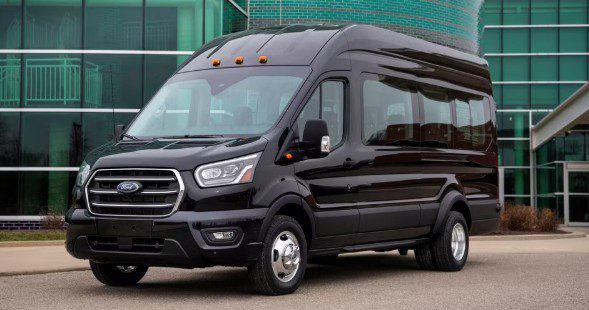
The Transit Connect would serve as the smallest commercial van in Ford’s U.S. lineup, sitting below the larger Transit models.
Transit Connect vs Transit Cargo Van
Transit Connect
-
Compact size for urban driving
-
Lower cargo capacity
-
Better fuel efficiency
-
Easier maneuverability
Transit Cargo Van
-
Much larger body size
-
Higher payload and towing capability
-
Multiple roof heights and wheelbases
-
Designed for heavy-duty commercial use
Businesses that primarily operate in cities often prefer smaller vans like the Transit Connect because they are easier to park and operate in tight spaces.
2027 Ford Transit Connect Interior, Features & Tech
Inside, the 2027 Transit Connect would likely offer a practical yet modern cabin designed for commercial use.
Cabin Design
The interior would prioritize durability and functionality, using materials that can withstand daily commercial use.

Expected features may include:
-
Durable seating materials
-
Multiple storage compartments
-
Adjustable driver seat and steering wheel
-
Large windshield for improved visibility
Infotainment & Connectivity
Technology would likely include:
-
A touchscreen infotainment system
-
Apple CarPlay and Android Auto compatibility
-
Built-in Wi-Fi hotspot
-
Ford Pro fleet telematics integration
These features would help business owners monitor vehicle performance and improve operational efficiency.
Safety Features & Driver Assistance
Safety technology would be an important part of any modern commercial van. The 2027 Ford Transit Connect would likely include Ford’s Co-Pilot360 driver-assistance suite.
Standard Safety Features
-
Automatic emergency braking
-
Forward collision warning
-
Lane-keeping assist
-
Rearview camera
Available Driver-Assist Features
-
Blind-spot monitoring
-
Adaptive cruise control
-
Parking sensors
-
Cross-traffic alert
These technologies help improve driver awareness and reduce accident risks, especially during busy urban driving.
2027 Ford Transit Connect Performance & Specs
Previous Transit Connect models used a 2.0-liter four-cylinder engine paired with an eight-speed automatic transmission and front-wheel drive, delivering efficient performance suitable for city deliveries.
A potential 2027 version could introduce improved powertrain options such as:
Possible Engine Options
2.0-Liter Four-Cylinder Engine
-
Approximately 160 horsepower
-
Designed for efficiency and reliability
Hybrid or Electrified Option (Potential)
-
Improved fuel efficiency
-
Lower emissions for urban fleets
Expected Capability
-
Cargo capacity up to about 127 cubic feet
-
Payload capacity around 1,500 pounds depending on configuration
These specifications would make the van well suited for small businesses and urban delivery services.
2027 Ford Transit Connect Pros & Cons
Pros
-
Compact size ideal for city driving
-
Good fuel efficiency compared to full-size vans
-
Practical cargo area for small businesses
-
Lower purchase price than larger vans
Cons
-
Lower payload capacity than full-size vans
-
Limited towing capability
-
Smaller interior space for large cargo loads
Should You Consider It?
If Ford were to reintroduce the Transit Connect in the U.S., it would be an excellent choice for businesses that prioritize efficiency, maneuverability, and affordability.
Companies that focus on urban deliveries, service technicians, and small logistics operations would likely benefit the most from this type of compact commercial vehicle.
However, businesses that require heavy-duty capability or large cargo capacity may prefer the larger Ford Transit Cargo Van instead.
2027 Ford Transit Connect Price & Release Date
Since the Transit Connect was discontinued in the U.S. after the 2023 model year, Ford has not announced plans for a 2027 version.
If a new model were introduced in the future, pricing would likely remain competitive with previous versions.
Estimated Pricing (U.S.)
-
Base model: around $28,000 – $30,000
-
Higher trims: $32,000 – $36,000
Potential Release Timeline
-
Possible announcement: late 2026
-
Potential market return: 2027 or later
The Ford Transit Connect was once a popular compact commercial van in the United States, valued for its efficiency, practicality, and urban-friendly size. Although the model was discontinued after the 2023 model year, it remains an important part of Ford’s commercial vehicle history.
If Ford eventually decides to bring the Transit Connect back to the U.S. market, a 2027 version could feature modern technology, improved efficiency, and advanced safety systems while maintaining the compact practicality that made the van appealing to businesses.